
Characters:
-
Skepticus: A world-weary realist with a fondness for facts, coffee, and mild existential dread.
-
Satira: A whimsical, word-wielding optimist who believes laughter might be our last defense against collective insanity.
Scene: A cozy café where cynicism meets cappuccino. Skepticus is scrolling X with the same enthusiasm one reserves for instruction manuals, while Satira is doomscrolling—possibly through memes.
Satira: (grinning) Did you hear about the new app that helps you track your emotional breakdowns and even schedules them for you? It syncs with your calendar—Monday: email meltdown, Thursday: existential crisis.
Skepticus: (without looking up) Are you sure that’s not just the email app?
Satira: Touché! But seriously, have you noticed how the world is basically a giant comedy sketch now? Only no one’s sure if it’s a news channel talk show or "Black Mirror."
Skepticus: More like “The Truman Show,” except we’re all Jim Carrey, and the director has quit.
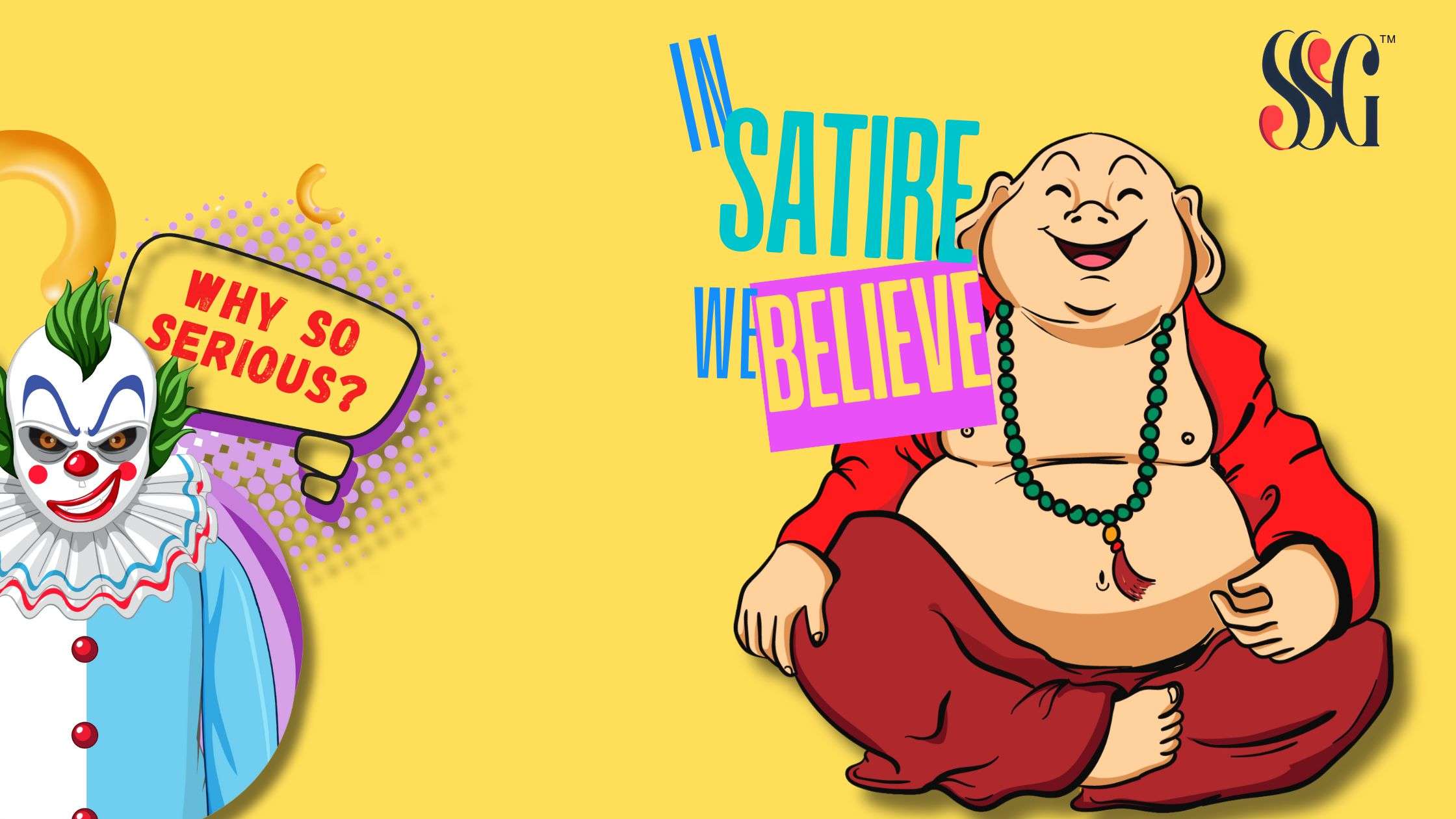
Satira: Exactly! That’s why satire is more important than ever. It’s the one thing keeping us sane—like your cup of morning cappuccino.
Skepticus: Or chloroform for logic. But I’ll humour you—why do you think satire matters so much today?
Satira: Because the world has gone full absurdist. We live in a time where billionaires want to colonize the moon while the rest of us can barely make ends meet. You need satire to make sense of the nonsense. Or at least laugh at it before it eats you alive.
Skepticus: You make it sound like satire is therapy with punchlines.
Satira: That’s exactly what it is! You know what Voltaire said, right? “If we do not find anything very pleasant, at least we shall find something new.” He also said, “God is a comedian playing to an audience too afraid to laugh.”
Skepticus: And Nietzsche probably said something like, “When you stare into the void, the void mocks you as a reel on Instagram.”
Satira: Nietzsche would’ve gone viral with that line. But look—when news feels like parody and VIPs sound like stand-up comics, satire is the only rational response. It’s truth with a spoonful of sarcasm.
Skepticus: I’ll admit, the world is ripe for roasting. From climate denialists to journalists-turned-scientists—satire writes itself these days.
Satira: Yes! The only thing faster than the speed of light is the speed at which someone says something stupid on the internet. And satire catches it, dresses it up in glitter, and holds it up for public viewing. It’s a public service, really.
Skepticus: So, you're saying satire is… journalism’s drunk cousin who tells the truth by accident?
Satira: Pretty much. Satire says what polite society won’t. It punches up, pokes holes in puffed egos, and shines a disco light on hypocrisy. When done well, it educates and entertains. Like a motivational talk, but with better timing and fewer motivational quotes.
Skepticus: But isn’t satire also misunderstood? People confuse jokes with actual news. How many times have absurd WhatsApp forwards become mainstream news?
Satira: That’s true. But that’s not satire’s fault. You can’t blame the clown for the circus being full of idiots.
Skepticus: Harsh, but fair. Still, I worry the constant attack that satire is facing. When real events out-satire satire, what do we do? It’s hard to parody someone who already is a walking-talking parody.
Satira: Ah, but that’s where satire evolves. It becomes more absurd, more creative. When reality becomes comedy, satire becomes surrealism.
Skepticus: A natural progression, I suppose—from slapstick comedy to soul-slap comedy.
Satira: Precisely. And satire doesn’t just live in TV shows or op-eds. It thrives on memes, stand-up, Twitter threads, even puppet shows, wherein the puppets in the show have more spine than the ones in the real world.
Skepticus: And the puppets in a show encourage people to laugh too!
Satira: That’s the heart of satire—it simplifies the chaos. It turns fear into laughter. You can’t cry forever, so you might as well laugh through the apocalypse.
Skepticus: So basically, we’re all going down—but with a good closing monologue?
Satira: Exactly! Satire gives us perspective. It reminds us that emperors are naked, systems are flawed, and nobody is above a good roast—except maybe a select few, you know.... The Scrooge McDuck-types.
Skepticus: Okay, you’ve convinced me. Satire isn’t just comedy—it’s commentary with teeth. A quintessential pinch of salt that makes truth easier to swallow, but not for all.
Satira: Now you’re talking! And in an ideal democracy, anyone can do it. Just grab a mic, a pen, or a Wi-Fi connection. Even your neighbourhood aunty's WhatsApp group forwards count, as long as they’re intentionally funny till within a legal limit.
Skepticus: Sigh! There always is a caveat!
Satira: Bless the protectors who defined the caveat.
Friends, as the world cartwheels into new levels of absurdity—where AI makes videos, billionaires want to colonize the moon, and common sense files for bankruptcy—satire remains our loyal companion. A mirror with a mischievous grin. A flashlight in the fog of foolishness.
Let us remember, as George Orwell once implied, “Every joke is a tiny revolution.” So laugh. Write. Roast responsibly. Because in the circus of modern life, satire isn’t the clown—it’s the ringmaster making sure we don't forget just how ridiculous things have become.
And to quote a great philosopher (probably drunk): “When the going gets tough, the tough get sarcastic.”
This Post Has 0 Comments